



- Live light ends OTC mid-prices
- Intraday visibility into trades, orders and liquidity
- Supports trading, execution and market analysis
Light Ends Data
Real-time OTC pricing for gasoline and naphtha markets, sourced directly from ICAP, PVM and TP trading desks. Access execution-grade pricing, forward curves and market intelligence across global light ends markets.
Light Ends oil data sourced from:
The Parameta Solutions difference
-
Broker-sourced OTC data
Pricing derived from active gasoline and naphtha trading desks.
-
Real-time market visibility
Intraday insight into price movements, spreads and arbitrage opportunities.
-
Global coverage
Coverage across EMEA and APAC gasoline and naphtha markets including Eurobob and RBOB.
-
Forward curve depth
Forward structures supporting trading, hedging and valuation.
-
Market-reflective pricing
Captures refinery-driven dynamics and regional dislocations.
-
Data quality and validation
Validated data for accurate trading and valuation workflows.
About Parameta’s Light Ends Data
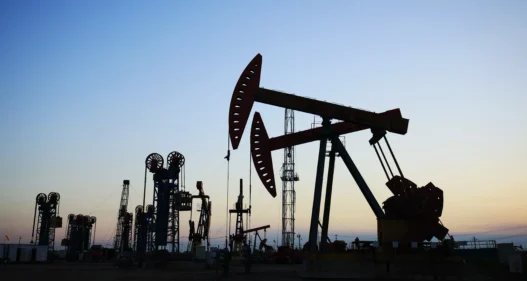
Parameta’s light ends data provides visibility into gasoline and naphtha OTC markets through real-time broker-sourced pricing. The dataset reflects refinery-driven pricing dynamics and regional arbitrage across key trading hubs.
Clients can monitor intraday movements, analyse crack spreads and price forward exposure using data sourced directly from active trading desks.
Real-Time vs End-of-Day Offerings

Real-Time
End-of-Day
- Daily validated light ends pricing
- Supports valuation, risk and compliance
- Provides consistent reference pricing
Three easy ways to connect to our Light Ends data
Direct
Instant access through application programming interface (API), streaming or Secure File Transfer Protocol (SFTP) channels.
Cloud delivery
Access via our cloud partners including WebSocket, SFTP and Snowflake.
Channel partners
Connect via our extensive network of partners including Bloomberg, London Stock Exchange Group (LSEG), Enverus and Zema.
The numbers speak for themselves
10
+
years of historical data
20
+
desks contributing to light ends pricing
100
+
brokers across global trading hubs
Get your data sample
Complete the form and tell us which asset class/instrument you would like to see.

FAQs on Light Ends data
What are light ends and why are they important in oil and petrochemical markets?
Light ends refer to the lighter fractions of crude oil produced during the refining process, including naphtha, gasoline blending components and other volatile hydrocarbons. These products sit at the intersection of fuel and petrochemical markets, making them highly sensitive to both energy demand and chemical feedstock requirements. Because light ends are key inputs for gasoline production and petrochemicals, their pricing provides an early indicator of refining margins, downstream demand trends and broader market imbalances.
What light ends data does Parameta Solutions provide?
Parameta Solutions provides broker‑sourced OTC light ends data, combining real-time pricing, end-of-day assessments and forward curve coverage. The dataset includes key products such as naphtha and gasoline blend components, with pricing derived directly from TP ICAP’s broking desks. This ensures the data reflects executable market levels, supporting trading, valuation, risk management and market analysis across global energy and petrochemical markets.
How are light ends prices formed in OTC markets?
Light ends prices in OTC markets are formed through continuous brokered activity, incorporating bids, offers and executed trades across key trading hubs. Pricing is influenced by crude oil benchmarks such as Brent and WTI, but also by refining economics, gasoline demand, and petrochemical feedstock requirements. Because much of this activity occurs bilaterally rather than on exchanges, broker‑sourced data is critical to accurately capturing how prices are discovered in real time.
What are the key drivers of light ends pricing and volatility?
Light ends pricing is driven by a combination of upstream and downstream factors. Crude oil prices set the baseline cost, while refinery output determines supply of light products such as naphtha and gasoline components. Demand factors — including seasonal gasoline consumption, petrochemical production cycles and regional economic activity — play a major role in shaping price movements. Disruptions such as refinery outages, shifts in trade flows or changes in export demand can also introduce significant volatility.
How are light ends forward curves used in trading and risk management?
Light ends forward curves provide visibility into pricing across future delivery periods, helping market participants understand how the market is expected to evolve. Traders use these curves to structure hedges, identify spreads and execute relative value strategies between products or regions. Risk managers and valuation teams rely on the same curves to mark positions, model exposure and ensure consistency in reporting. Broker‑sourced forward curves are particularly valuable as they reflect actual OTC market conditions rather than purely modelled estimates.
How does light ends data support refining and petrochemical decision-making?
Light ends data plays a critical role in both refining and petrochemical workflows. Refiners use it to monitor margins, optimise product yields and assess the relative value of gasoline versus feedstock production. Petrochemical producers rely on accurate naphtha pricing to manage input costs and plan production. Real-time data enables better intraday decision-making, while end-of-day pricing supports valuation, reporting and risk management. Together, they provide a comprehensive view of downstream market dynamics and profitability drivers.